Physiotherapy
What is physiotherapy for animals?
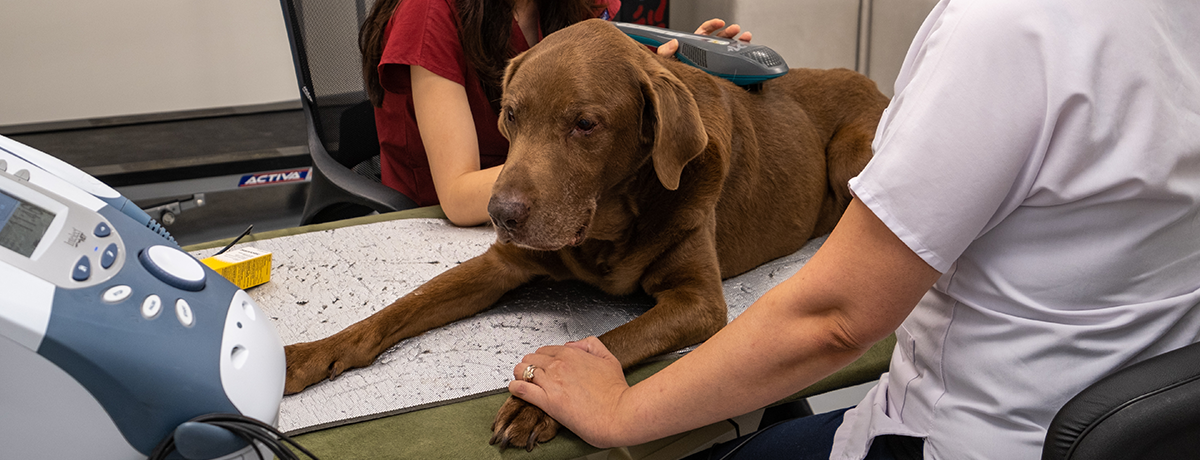
Physiotherapy for animals, also called physical therapy, is a range of treatments that help an animal regain lost function. It helps improve an animal’s health and quality of life. It can help treat injuries, improve mobility and build strength. The aim of physiotherapy is to reduce pain and inflammation in the body and help animals keep a healthy lifestyle. This can be done with exercises, stretching, massage or other treatments.
What does physiotherapy for animals include?
Physiotherapy can be used together with medical treatment and surgery, or on its own. Protocols are prepared for each patient according to the condition and its needs. Physiotherapy is a modular system that includes many treatment methods, and a session usually combines more than one technique depending on what the patient needs. The more methods a vet can use when planning physiotherapy, the easier it is to meet the patient’s needs.
Methods whose benefits are backed by scientific studies and which we use regularly at our hospital include:
- EMS (electrical muscle stimulation)
- TENS (transcutaneous electrical nerve stimulation)
- Matrix Rhythm Therapy
- Low-level laser therapy and acupuncture
- Therapeutic ultrasound
- Manual therapy
- Passive and active movements targeted at the problem
- Heat and cold treatments
How long does physiotherapy take?
Physiotherapy starts with a treatment programme prepared for each patient. The vet takes into account the patient’s history and current condition and prepares a personal treatment programme. The programme is carried out and updated according to how the patient responds and progresses.
Session frequency and total treatment time vary with the problem, but we generally recommend at least 2 sessions a week for 4 weeks. Treatment can last from one month to a few months. Each session lasts between 20 and 90 minutes, depending on the treatment given in that session.
Is physiotherapy painful?
Pain is not something we want in physiotherapy. When the right equipment and movements are used, pain is not expected during a session.
How can my pet get the most out of physiotherapy?
Coming to sessions regularly without skipping any, and continuing the movements and exercises you are given at home, will increase the benefit of the treatment.
Which problems can physiotherapy help with?
Contrary to common belief, physiotherapy is not only used for problems caused by surgery, illness or old age. It can also be used preventively to avoid some diseases and chronic pain. With early intervention, painful conditions that might develop later can be prevented.
We have treatment programmes for this kind of preventive care at our hospital.
Physiotherapy: appointments and information
Call us to book or to ask about fees for this service; we can give you information on the phone based on the procedure and your pet.
An emergency? A vet is at the hospital at night too: 24/7 Emergency